
Understanding and Addressing Water Scarcity Solutions
- Charles Gassert
- May 25
- 4 min read

Water is essential to life. Every day, you rely on it for drinking, cooking, cleaning, and more. But what happens when water becomes scarce? Understanding the causes and solutions to water scarcity is crucial for staying prepared and resilient. Let’s explore this important topic together.
What Causes Water Scarcity?
Water scarcity happens when the demand for water exceeds the available supply. This can be due to natural factors or human activities. Here are some common causes:
Climate Change: Changes in weather patterns lead to droughts and reduced rainfall in many regions.
Population Growth: More people means more water is needed for homes, agriculture, and industry.
Pollution: Contaminated water sources reduce the amount of clean water available.
Overuse of Groundwater: Excessive pumping of underground water lowers water tables and dries up wells.
Poor Water Management: Inefficient use and distribution of water can cause shortages even where water is available.
Understanding these causes helps you see why water scarcity is a growing concern worldwide. It also highlights the need for smart water use and conservation.

Practical Water Scarcity Solutions You Can Use
You might wonder, “What can I do to help with water scarcity?” The good news is, there are many simple and effective solutions you can adopt at home and in your community. Here are some ideas:
Fix Leaks Promptly
A dripping faucet or running toilet wastes gallons of water daily. Check your plumbing regularly and repair leaks quickly.
Use Water-Efficient Fixtures
Install low-flow showerheads, faucets, and toilets. These devices reduce water use without sacrificing performance.
Collect Rainwater
Set up rain barrels to capture rainwater for watering plants or cleaning. This reduces your reliance on municipal water.
Practice Smart Irrigation
Water your garden early in the morning or late in the evening to minimize evaporation. Use drip irrigation systems to target roots directly.
Limit Water Use in Daily Activities
Turn off the tap while brushing your teeth or washing dishes. Take shorter showers and only run dishwashers or washing machines with full loads.
Educate and Advocate
Share water-saving tips with friends and family. Support local policies that promote sustainable water management.
By taking these steps, you contribute to easing the pressure on water resources and help build a more water-secure future.
Will We Be Out of Water by 2050?
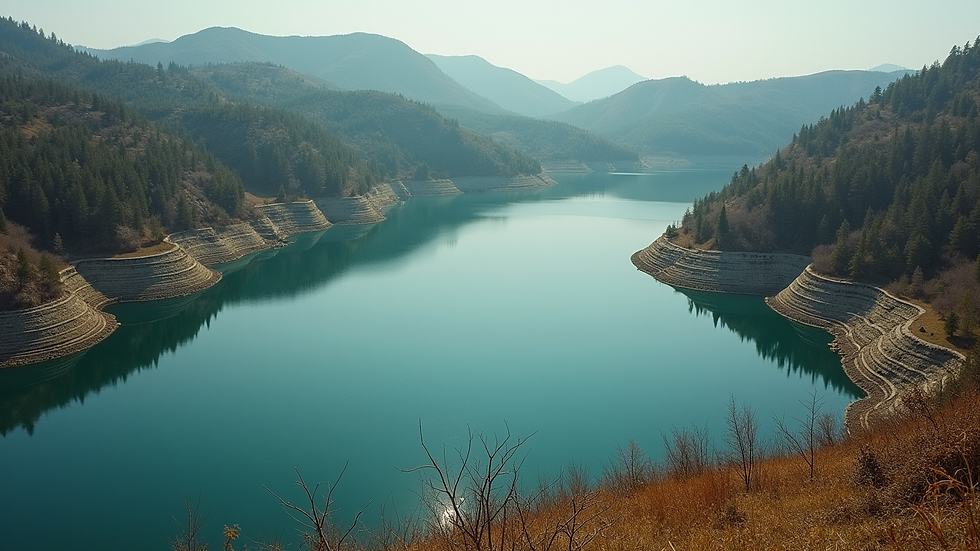
This question often comes up in discussions about water scarcity. The truth is, while some regions may face severe shortages, the world as a whole will not run out of water. However, the availability of clean, accessible water will become more limited if current trends continue.
Experts predict that by 2050, nearly half of the global population could live in areas experiencing high water stress. This means water will be harder to find and more expensive to access. It’s a serious challenge, but not an inevitable disaster.
The key lies in planning and action. Communities, governments, and individuals must work together to:
Improve water infrastructure
Invest in water recycling and desalination technologies
Protect natural water sources
Promote conservation and efficient use
You can be part of this effort by staying informed and prepared. Understanding the risks helps you make better choices for your household and community.
How to Prepare for Water Shortages in Your Daily Life
Being ready for water shortages means more than just conserving water. It involves planning ahead to ensure you have enough water when supply is limited. Here’s how you can prepare:
Store Emergency Water
Keep at least one gallon of water per person per day for drinking and sanitation. Store enough for at least three days, preferably more.
Use Water Purification Methods
Have water purification tablets, filters, or boiling equipment ready to make water safe if your supply is compromised.
Create a Water Use Plan
Identify essential water needs and prioritize them during shortages. For example, drinking and cooking come first, followed by hygiene.
Know Your Local Water Sources
Learn about nearby lakes, rivers, or wells that could serve as backup water sources. Understand any restrictions or permits needed.
Stay Informed
Follow local news and alerts about water conditions. Join community preparedness groups to share resources and information.
By integrating these steps into your routine, you build resilience and reduce stress during uncertain times.
Encouraging a Water-Wise Community
Water scarcity is not just an individual issue; it affects entire communities. When you encourage others to adopt water-wise habits, you multiply the impact. Here are some ways to foster a culture of conservation:
Organize neighborhood workshops on water-saving techniques.
Support local initiatives that protect watersheds and wetlands.
Participate in community clean-up events to reduce pollution.
Advocate for policies that promote sustainable water use and infrastructure improvements.
Share success stories and tips on social media to inspire others.
Together, small actions add up to big changes. You can help create a future where water is valued and preserved for everyone.
Water is a precious resource, and understanding how to address its scarcity empowers you to take meaningful action. By conserving water, preparing for shortages, and encouraging your community, you contribute to a safer, more resilient world. Let’s make water stewardship a part of our daily lives and protect this vital resource for generations to come.



Comments